
To Buy Vermox Online Visit Our Pharmacy ↓

Separating Safety Facts from Fear Based Vermox Rumors
A nervous parent recalled headlines and asked if a common dewormer could harm their child. Evidence-based reviews reassure that short courses of mebendazole have a long safety record when used as directed. Large studies show adverse events are typically mild and transient, such as gastrointestinal upset or headache.
Rumors about liver failure or permanent damage often stem from isolated reports without clear causality. Systematic analyses fail to demonstrate a pattern of serious harm in routine doses; monitoring is recommended for prolonged or repeated therapy and when other risk factors exist.
Understanding these distinctions lets clinicians and families balance risk and benefit, replacing fear with informed choices and appropriate precautions, and laboratory assessment when routinely indicated.
| Claim | Evidence |
|---|---|
| Liver damage | Rare reports; causality unclear—monitor with prolonged use |
Efficacy Myths What Studies Really Show about Mebendazole
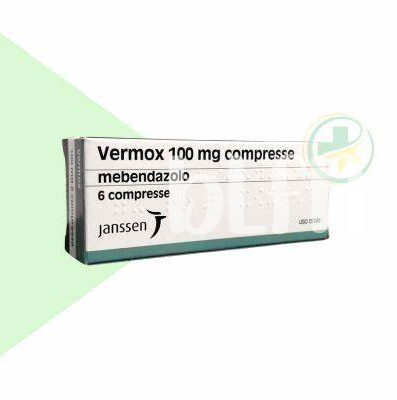
In everyday conversations, dramatic cures get more attention than steady science. Randomized trials and meta-analyses reveal that vermox (mebendazole) reliably reduces egg counts for Ascaris and hookworm, especially when given in recommended regimens, but efficacy is lower against certain parasites and in high-burden communities.
Meta-analyses comparing single-dose versus multiple-dose schedules demonstrate improved cure rates with multi-day therapy for Trichuris and some mixed infections. Context matters: nutritional status, reinfection risk, and diagnostic sensitivity shape reported effectiveness, so headline figures often understate nuanced outcomes seen in community studies.
Practitioners should interpret studies not as absolutes but as guidance—evaluating local parasite profiles and using combination strategies when warranted. For patients and policymakers, the takeaway is pragmatic: vermox remains a valuable tool, but its measured benefits depend on proper dosing, surveillance, and integration with sanitation and education to sustain reductions in parasite burden overall.
Dosage Confusion Clarified Evidence Based Dosing Guidelines Explained
Prescription labels and forums often contradict each other, leaving patients unsure about how much vermox to take. Trials and guidelines converge on parasite-specific regimens: a single 100 mg dose for pinworm is usually enough, with a repeat after two weeks if household transmission is likely.
For other intestinal worms, evidence supports short courses — commonly 100 mg twice daily for three days — while some species are treated with single-dose protocols in mass programs. Clinicians choose regimens by species, local resistance and patient age, not by online anecdotes.
Simple steps clear confusion: follow the product label or your clinician’s prescription, repeat doses only when indicated, and coordinate treatment for household contacts. Mebendazole absorption increases with high-fat meals, relevant for rare systemic uses but usually unnecessary for intestinal infections. Evidence-based dosing minimizes harm and maximizes likelihood of cure and reduces uncertainty.
Side Effects Assessed Separating Coincidence from Causation
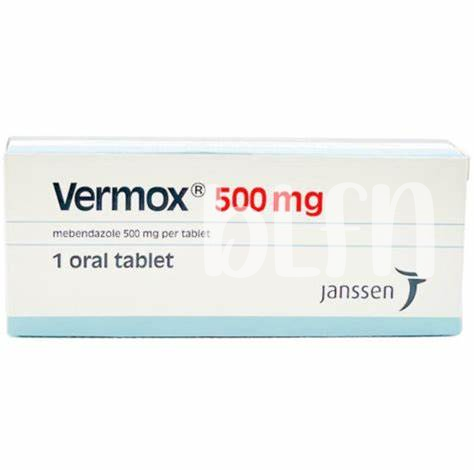
Patients often notice symptoms while taking vermox, but temporal association alone doesn't prove the drug caused them. Investigators rely on controlled trials and pharmacovigilance to distinguish expected reactions from unrelated events.
Commonly reported issues like mild gastrointestinal upset or headache resolve quickly and appear at similar rates in placebo groups, suggesting coincidence rather than a direct toxic effect. Serious adverse outcomes are rare and usually linked to preexisting conditions or overdoses.
Clinicians assess reports, monitor patients and establish causality. Clear communication reduces fear and guides evidence-based care and informs treatment
Who Needs Treatment Debunking Mass Treatment Assumptions
Community stories make broad treatment sound sensible, yet individual risk matters. Confirming infection through stool tests or strong exposure histories prevents needless medication and focuses care where it's truly effective.
Public health programs use prevalence thresholds to consider mass therapy, but clinicians should weigh age, symptoms, and community rates. Overprescribing can mask resistance, drain budgets, and misallocate care resources unnecessarily.
Shared decision-making with patients and surveillance data clarifies who benefits most. For many, single-dose vermox after confirmed diagnosis or defined exposure is prudent rather than blanket campaigns in most settings.
Safe Use in Pregnancy and Pediatric Populations Reviewed
Pregnancy raises understandable anxiety about any medication. For mebendazole, human data are limited; animal studies raised concerns at high doses, so most regulatory bodies advise avoiding routine use during the first trimester unless benefits clearly outweigh risks.
In high-burden settings, public-health programs sometimes offer single-dose benzimidazoles after the first trimester when maternal morbidity from worms is substantial, reflecting a risk–benefit decision supported by observational studies rather than randomized trials.
Pediatric use is better characterized: mebendazole is commonly used for pinworms and intestinal nematodes, often as a single 100 mg dose for older children, with repeat dosing recommended by some guidelines to catch reinfection.
Clinicians should individualize care, consulting current national guidance and obstetric or pediatric specialists. When uncertainty exists, non-pharmacologic measures and testing can guide whether treatment is necessary. Patient counseling and informed consent remain essential parts of management today.
Before & After









Testimonials
Read out what our customers say about our services.
Read Testimonials



Join Our VIP List
Great News!
Comming soon our new location in Fort Worth (Alliance area)
3529 Heritage Trace Parkway, Suite 163
Fort Worth, TX 76244
Sign up now to join our VIP list and receive coupons