
To Buy Rybelsus Online Visit Our Pharmacy ↓

What to Expect during Early Days of Semaglutide
The first week often feels like a subtle reset: appetite eases and meals shrink naturally. Expect varying hunger signals as your body adjusts to the medication’s effects on glucose and satiety hormones and energy shifts.
Side effects can appear early but usually fade: mild nausea, bloating, or constipation. Stay hydrated, eat smaller portions slowly, and avoid greasy foods. Most people find symptoms lessen after a few days to weeks sometimes.
Weight changes early on may be modest; water loss and reduced intake cause initial drops. Track portions and measurements rather than scale alone. Celebrate small victories and set realistic short-term goals to maintain motivation daily.
Keep open communication with your prescriber during titration; dose adjustments or supportive remedies can ease early discomfort. If severe symptoms or persistent vomiting occur, seek medical advice promptly to ensure safety and continuity of care.
| Days | Common early signs |
|---|---|
| 1–7 | Mild nausea, appetite change |
| 8–28 | Reduced intake, fewer cravings |
Common Side Effects and How to Manage Them

Starting rybelsus can feel like stepping onto a new path — mornings might bring mild nausea or reduced appetite as your body adjusts. These early effects are common; monitoring symptoms, staying hydrated, and using small bland meals often eases discomfort within days to weeks.
Some people notice constipation, heartburn, or headaches; simple fixes include increasing fiber gradually, splitting meals, avoiding high‑fat foods, and using over‑the‑counter remedies after checking with your clinician. Track symptoms in a daily log for clear patterns.
If symptoms are severe, persistent, involve signs of dehydration, or you experience rapid heart rate or severe abdominal pain, contact your prescriber promptly. Medication adjustments or temporary dose reduction may resolve problems safely and restore comfort.
Typical Timeline for Noticeable Weight Changes
In the first weeks you may notice reduced appetite and small, early losses as your body adjusts. Nausea can blunt intake briefly, so numbers may drop quickly but not dramatically. Expect variability.
From month one to three weight changes often become steadier, especially with dose escalation; many people see gradual, measurable loss. rybelsus works by curbing hunger and slowing gastric emptying, which supports consistent progress when combined with diet. Individual results differ.
After six months gains may slow; upkeep and lifestyle sustainments determine long-term success—talk with your clinician and follow-up.
Lifestyle Tweaks That Boost Medication Results
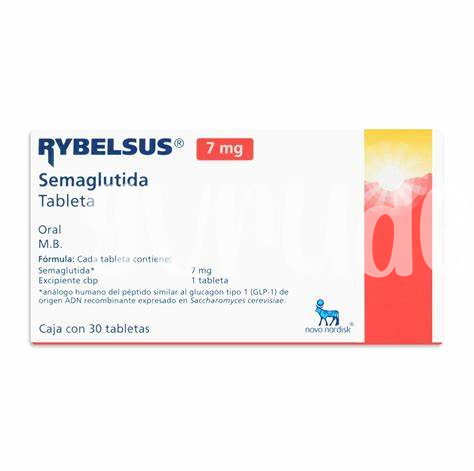
I began pairing rybelsus with small habit shifts: midday walks after lunch and swapping sugary snacks for Greek yogurt. Those tiny, consistent changes made hunger easier to manage and boosted my day-to-day energy.
Focus on protein, fiber, and whole foods—lean meats, legumes, vegetables, and whole grains stabilize blood sugar and extend satiety. Drinking water before meals reduces overeating.
Prioritize sleep and stress management; poor sleep blunts appetite control and exercise benefits. Short strength sessions twice weekly preserve muscle during weight loss.
Track progress, celebrate small wins, and keep taking medication as prescribed while consulting your clinician when adjusting routines. Regularly reviewing goals helps you stay motivated and informs smarter, sustainable decisions about meals and activity.
When to Call Your Doctor or Pharmacist
Early on, you may wonder whether a symptom is normal or needs attention. Keep a brief log of persistent nausea, severe abdominal pain, signs of pancreatitis, rapid heartbeat, fainting, or allergic reactions while taking rybelsus. Also note any unusual blood sugar swings or signs of dehydration from vomiting or diarrhea.
Call your prescriber promptly if symptoms are severe, sudden, or worsening, or if you experience persistent low blood glucose despite adjustments. For medication questions, dosing, or interactions, a pharmacist can offer fast, practical advice. If treatment decisions arise—dose change, pause, or stop—discuss risks and benefits with your clinician; don’t hesitate to seek immediate care for emergency warning signs. Keep contact numbers available at all times.
Long-term Expectations Around Maintenance and Treatment Adjustments
After initial success, many patients move from active loss to steady maintenance. Regular follow-ups let clinicians adjust dose, assess side effects, and monitor labs.
Weight may plateau; this is normal and often signals the need for lifestyle changes rather than medication increases. Patience and data guide decisions.
Some people eventually taper the drug; others require long-term therapy to preserve gains. Discuss risks, benefits, and realistic goals with your provider.
Tracking habits, sleep, and stress makes adaptations easier. A collaborative plan keeps momentum and prevents surprises as life and health evolve.
Before & After









Testimonials
Read out what our customers say about our services.
Read Testimonials



Join Our VIP List
Great News!
Comming soon our new location in Fort Worth (Alliance area)
3529 Heritage Trace Parkway, Suite 163
Fort Worth, TX 76244
Sign up now to join our VIP list and receive coupons