
To Buy Pregabalin Online Visit Our Pharmacy ↓

Understanding Pregabalin Dependence and Withdrawal Symptoms
When someone stops pregabalin after weeks or months, the brain's chemistry can feel unbalanced, and normal routines may feel destabilized. People often describe a sudden rush of anxiety, sleepless nights and surprising physical sensations that make recovery feel overwhelming at first.
Common withdrawal effects span emotional, neurological and systemic domains: dizziness, nausea, sensory disturbances, and rebound pain. Symptoms vary in intensity and duration; some resolve within days, while others persist for weeks, demanding a gradual and patient approach to dose reduction.
| Symptom | Notes |
|---|---|
| Anxiety | Irritability, sleep loss |
| Dizziness | Lightheaded, balance issues |
Recovery often requires steady pacing, honest communication with clinicians, and realistic expectations. If severe symptoms emerge — seizures, suicidal thinking, or relentless vomiting — seek immediate medical attention. For milder rebound effects, symptom-targeted therapies and psychosocial support ease the transition back to steady functioning. Patience and small wins matter every day.
Preparing to Taper: Medical Guidance and Planning

Before reducing doses, imagine sitting with your clinician and laying out a clear map: current pregabalin dose, other medications, medical history, and goals. A physician or pharmacist should evaluate risks—seizure history, renal function, and psychiatric conditions—and advise whether tapering is safe outpatient or needs closer supervision. Agree on realistic timelines, emergency contacts, and criteria for pausing the taper, so decisions feel deliberate rather than reactive.
Include a written plan, dosing schedule, and monitoring tools: symptom diary, blood tests if needed, and scheduled check-ins. Consider slow reductions (for example 10 to 25% every 1 to 2 weeks) adjusted to symptoms, and plan adjunctive strategies such as sleep hygiene, hydration, gentle exercise, and mental health support. Inform family or caregivers about possible rebound symptoms so they can help, and ensure quick access to care if severe withdrawal appears. Keep medication list updated.
Safe Tapering Strategies: Schedules and Dose Reductions
Many people find that tapering pregabalin works best when framed as a slow process rather than a race. Clinicians commonly recommend incremental reductions—often about 10% of the total daily dose every one to two weeks, or larger steps of 20–25% every two to four weeks for those who are closely monitored—tailored to individual tolerance. Keeping reductions steady and predictable gives the nervous system time to adapt and lowers the chance of severe withdrawal.
Use practical tactics: split doses or ask a pharmacist for compounded lower strengths, track symptoms in a daily diary, and maintain close contact with your prescriber so the schedule can be slowed if needed. Prioritize sleep, hydration and routines during the taper.
Managing Withdrawal Rebound: Recognize and Relieve Symptoms

When the familiar haze of pregabalin begins to lift, some people feel a sudden spike of anxiety, insomnia or worsening pain — a rebound that can be frightening. Recognizing these symptoms early helps you stay calm and avoid mistaking them for new illnesses. Keep a simple symptom diary: note intensity, timing and triggers so patterns become clear for you and your clinician.
Gentle remedies — breathing exercises, short naps, hydration and paced movement — can ease rebounds. Over-the-counter options and gradual dose adjustments often reduce severity, but never restart full doses without medical advice.
If symptoms intensify or last beyond expectations, contact your prescriber. A temporary slower taper or adjunct therapies can provide relief and protect recovery safely.
When to Adjust Taper or Seek Professional Help
A gradual taper should feel manageable; if sleep, mood, or balance suddenly worsen, treat these as signals. Keep a daily log of symptoms and doses.
Severe tremor, hallucinations, suicidal thoughts, or uncontrolled seizures need immediate medical attention—don’t attempt faster reductions alone.
Discuss illicit drug use, alcohol, and other meds with your prescriber; combinations can complicate pregabalin withdrawal and change safe taper speed.
If setbacks persist beyond a few weeks, or daily function declines, adjust the plan with professional support and consider slower reductions or adjunctive therapies.
| Sign | Action |
|---|---|
| Severe symptoms | Seek emergency care |
| Persistent mild | Call prescriber for slower taper |
| Severe insomnia or anxiety | Contact clinician for support |
| Uncontrolled seizures | Immediate ER evaluation urgently now |
Long-term Recovery: Relapse Prevention and Support Networks
After tapering off pregabalin, many people rebuild gradually by setting small, achievable goals and daily routines that reduce stress. Identifying personal triggers and creating realistic expectations helps prevent discouragement and supports steady, sustained progress growth.
Peer support groups, trusted friends, family, and mental-health professionals form a safety net. Regular check-ins, honest conversations, and shared coping strategies normalize setbacks and provide practical advice, accountability, and emotional encouragement during recovery over time.
Develop a relapse-prevention plan with clear steps: recognize early warning signs, use distraction techniques, practice mindfulness and breathing exercises, and contact support people before cravings escalate. Having an emergency plan reduces panic and impulsive choices.
Stay connected with follow-up appointments and adapt strategies as life changes. Celebrate milestones, cultivate resilient habits like exercise and sleep hygiene, and treat setbacks as learning opportunities. If relapse occurs, seek professional support without shame.
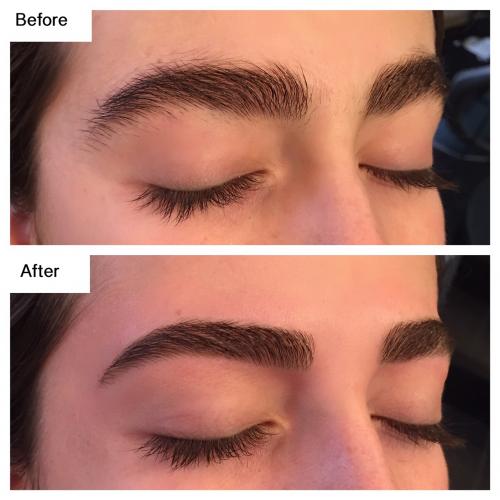
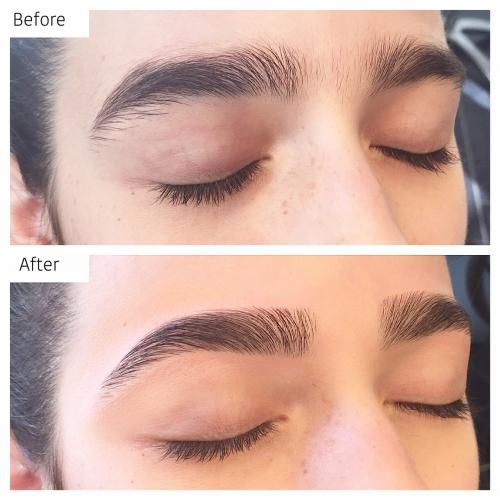
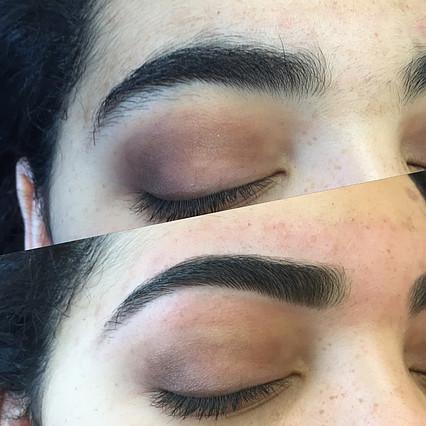
Before & After






Testimonials
Read out what our customers say about our services.
Read Testimonials



Join Our VIP List
Great News!
Comming soon our new location in Fort Worth (Alliance area)
3529 Heritage Trace Parkway, Suite 163
Fort Worth, TX 76244
Sign up now to join our VIP list and receive coupons