
To Buy Neurontin Online Visit Our Pharmacy ↓

Understanding Gabapentin Dependence and Withdrawal Symptoms
I remember the first time a patient described tapering gabapentin: fear mixed with relief. Framing dependence as the nervous system adapting to ongoing medication reduces shame and opens a plan-focused conversation. It legitimizes experiences and enables practical next steps.
Withdrawal can include anxiety, insomnia, sweating, nausea, and sensory disturbances; symptoms vary in onset and intensity. Recognizing typical timelines—days to weeks after dose reduction—helps set realistic expectations. Severity depends on individual biology and concurrent medications.
Risk factors include higher doses, longer use, and abrupt stops, but anyone can experience distressing symptoms. Clear communication and monitoring make tapering safer and less isolating. Support networks and routines reduce symptom burden significantly.
Collaborating with a clinician tailors the pace to individual needs; short check-ins catch problems early. Simple symptom tracking guides adjustments and reassures families.
| Symptom | Typical onset |
|---|---|
| Anxiety | 1–7 days |
| Insomnia | 1–14 days |
Consulting Your Doctor for an Individualized Taper
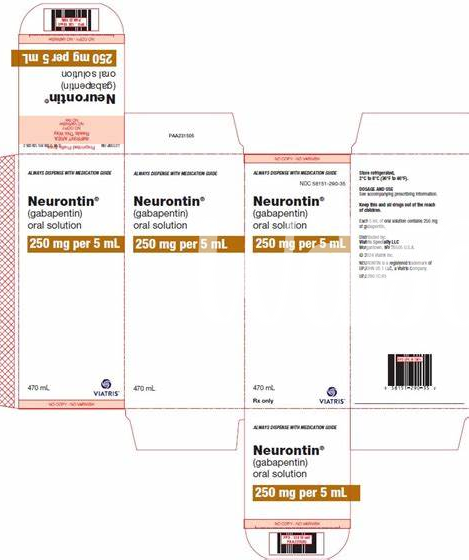
I sat with my clinician, nervous about stopping neurontin; she listened, reviewed my history, and reassured me with a clear plan.
She explained that individualized tapering considers current dose, how long I’d used the drug, co‑existing conditions, and other medications.
Expect gradual reductions, measurable checkpoints, and the possibility of altering pace if withdrawal symptoms emerge; abrupt cessation can be risky.
Bring a symptom diary and medication list, ask about adjunct supports, and schedule follow-ups to stay safe and supported throughout the taper. Reach out immediately for worsening symptoms or harm.
Safe Gradual Dose Reduction Strategies and Timelines
Cutting back on neurontin felt like stepping off a moving walkway; progress requires intention. Working with a clinician, many people begin with small percentage reductions—often 10–25%—at intervals that allow symptoms to settle before the next step. This staged approach honors individual responses and minimizes rebound effects.
Timelines vary: some taper weekly, others over months. Older adults, high doses, or long-term use often need slower schedules. Adjustments are guided by symptom tracking and open communication; if withdrawal grows intense, pausing or reverting to a prior dose can be prudent while reassessing the plan.
A thoughtful, paced plan reduces risks and supports recovery; keep your prescriber involved and celebrate steady, symptom-informed gains over weeks to months gradually.
Managing Withdrawal: Coping Tools and Support Options

Coming off neurontin can feel disorienting; simple grounding techniques—deep breathing, muscle relaxation, and paced walking—offer immediate relief. Keep a symptom diary, maintain hydration and regular meals, and use sleep hygiene practices. Behavioral activation, like outdoor activity or creative tasks, helps reduce anxiety and restore routine.
Reach out for layered support: your prescriber can adjust a taper and monitor symptoms, while a therapist teaches coping skills and CBT. Peer groups, family involvement and specialists provide encouragement and relapse prevention. Seek immediate help for severe withdrawal, suicidal thoughts or uncontrolled symptoms promptly.
Nonpharmacologic Measures to Ease Symptoms and Sleep
I learned to treat tapering like a journey, not a battle, and small routines grounded me when neurontin left my system. My doctor supported gradual changes.
Simple practices—deep breathing, progressive muscle relaxation, and brief walks—reduced anxiety spikes and helped handle sensory discomfort without medications. Cold packs for nerve pain and warm baths for tension were surprisingly effective.
Establishing a sleep ritual, limiting screens before bed, and keeping light exposure consistent improved sleep quantity and quality.
| Technique | Benefit |
|---|---|
| Sleep ritual | regular sleep-wake |
| Relaxation | reduces arousal |
Buddying with friends or support groups, journaling symptoms, and gentle exercise stabilized mood; if symptoms intensify or suicidal thoughts appear, seek medical help promptly. A sleep diary and regular check-ins help.
Monitoring Progress, Preventing Relapse, Knowing When to Seek Help
Track changes in mood, sleep, and pain daily in a simple journal; small patterns often reveal when tapering is going well or when adjustments are needed more quickly.
Share entries with your clinician during follow-ups so dosing can be tailored; lab tests or symptom scales may help objectify progress and guide safer decisions over weeks and months.
Relapse risk rises with stress, sleep loss, or sudden dose changes; build a plan that includes emergency contacts, behavioral coping strategies, and clear steps if symptoms worsen, seek support.
If you experience severe anxiety, unbearable pain, seizures, or thoughts of harming yourself, contact a healthcare professional or emergency services immediately for timely intervention and bring someone with you.
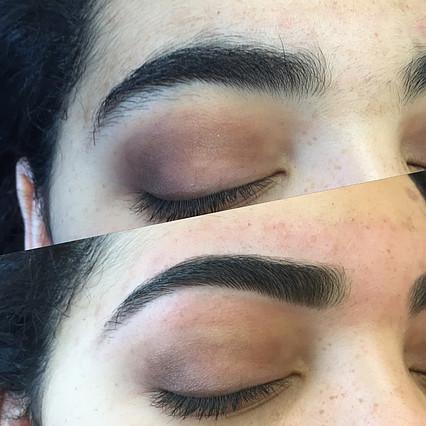
Before & After





Testimonials
Read out what our customers say about our services.
Read Testimonials



Join Our VIP List
Great News!
Comming soon our new location in Fort Worth (Alliance area)
3529 Heritage Trace Parkway, Suite 163
Fort Worth, TX 76244
Sign up now to join our VIP list and receive coupons