
To Buy Finasteride Online Visit Our Pharmacy ↓

How Low Dose Finasteride Stops Hair Loss
Taking a smaller daily dose can feel like a quiet pact with your follicles: it lowers scalp DHT enough to slow or stop miniaturization while avoiding the heavier hormonal shift seen with higher doses. For many men and women, this subtle biochemical nudge reduces the shrinkage of hair follicles, preserves follicular cycling, and creates conditions where existing hairs thicken rather than thin.
Results typically emerge over months: shedding may temporarily increase before regrowth becomes visible around six to twelve months, with continued gains thereafter. Response varies by age and baseline thinning, so clinicians often start low and titrate as needed, pairing treatment with topical therapies or lifestyle measures to maximize follicle recovery and long-term maintenance.
| Mechanism | Expected effect |
|---|---|
| 5α-reductase inhibition | Lower DHT, reduced miniaturization |
| Follicle cycling preservation | Thicker hairs, slowed progression |
| Typical timeframe | Visible regrowth 6–12 months |
Evidence for Efficacy Trials and Real World Outcomes
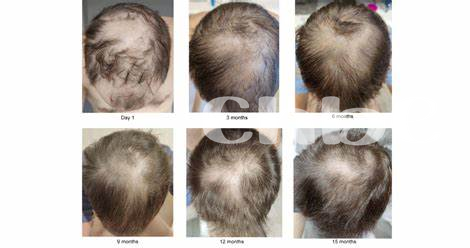
Clinical trials first established that small doses can slow hair loss and increase scalp hair counts, with randomized studies showing measurable gains versus placebo. These controlled settings captured objective endpoints, including hair counts and investigator assessments, and demonstrated a clear biological effect consistent across cohorts.
Real world outcomes add nuance: observational cohorts and telemedicine series report that many patients on low dose regimens experience stabilization and perceived density improvements over months. Adherence and individualized adjustments influence results, and patient reported outcomes often align with photographic and trichoscopic evidence, supporting practical effectiveness outside trials.
Pooled analyses indicate that while full dose treatments yield larger gains, low dose finasteride provides a favorable balance of efficacy and tolerability for many patients. Shared decision making, clear expectations and routine follow up maximize long term benefit and help distinguish placebo from therapeutic effects over time.
Comparing Low Dose and Standard Dose Side Effects
Many men wonder whether smaller finasteride doses ease worries about adverse effects. Side-effect profiles differ by individual sensitivity and dose.
Trials and clinics show reduced incidence of sexual side effects at lower doses, though not eliminated, and hair outcomes can still be meaningful for some patients.
Mood changes and cognitive complaints appear infrequent but warrant attention; clinicians recommend baseline discussion and follow-up to catch persistent problems early.
Choosing a dose balances symptom risk and efficacy; shared decision-making, informed consent, and gradual titration help personalize treatment while monitoring response and tolerability.
Optimal Dosing Schedules and Frequency Recommendations
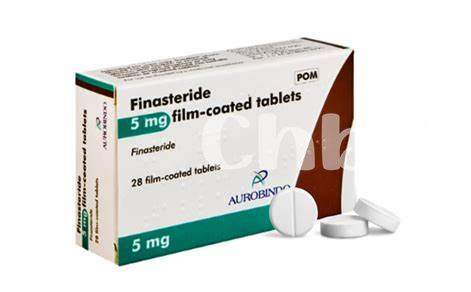
Many patients prefer a gradual start to balance benefits and tolerability. A common regimen is 0.25 to 0.5 mg of finasteride every other day for the first three months, allowing clinicians to monitor side effects and early efficacy before moving to a maintenance frequency or dose.
After reassessment, some patients transition to twice‑weekly dosing or a low daily dose such as 0.5 mg depending on response. Others maintain every‑48‑hour schedules to reduce adverse events while preserving efficacy. Shared decision making and periodic follow up determine when to escalate or deescalate therapy with clinician input.
Long term, maintain the lowest effective dose and reassess every six to twelve months. If treatment is interrupted, restarting usually regains benefit within months but requires realistic timelines. Educate patients on adherence, expected timelines, and the possibility of long‑term or lifelong use to preserve results optimally.
Monitoring Labs and Tracking Treatment Response
Before starting finasteride, clinicians should document a baseline: digital photographs, hair counts, and symptom scores alongside labs such as serum testosterone, DHT if available, PSA in men over 40, and liver enzymes. A focused sexual and psychiatric history establishes pre-treatment function and consent; remind patients about teratogenic risk and advise women of childbearing potential to avoid exposure. Baseline measurements make later changes interpretable and reinforce adherence.
Follow-up combines objective and subjective metrics: repeat photos and validated scales at 3 and 6 months, hair density or phototrichogram where possible, and lab reassessment if symptoms or baseline abnormalities warrant—PSA at intervals per urology guidance and liver tests for those with prior disease. Encourage patients to report new sexual, mood, or cognitive symptoms promptly; document and consider dose adjustment, drug holiday, or specialist referral for persistent issues. Longitudinal data improve personalized benefit-risk decisions.
| Test | When |
|---|---|
| PSA | Baseline; then per age/guidelines |
| LFTs | Baseline if liver disease; as needed |
| Testosterone/DHT | Baseline if clinically indicated |
Addressing Sexual Psychological and Long Term Concerns
Starting low-dose finasteride often brings relief and anxiety in equal measure; patients tell me they fear losing more than their hair. Clinicians should acknowledge sexual side effects candidly, summarizing that decreased libido, erectile difficulty, and ejaculatory changes are reported in a minority and are usually dose-related and reversible after cessation. Baseline sexual history, clear consent, and scheduled check-ins reduce uncertainty and help differentiate medication effects from aging, stress, or depression.
Long-term data are reassuring, but rare persistent symptoms prompt vigilance; if problems persist beyond 3 months consider dose reduction, temporary cessation, or specialist referral. For men planning fertility, discuss sperm testing before and during treatment. Documented psychological distress warrants prompt mental health referral, as anxiety can amplify sexual complaints. Shared decision-making, transparent communication about uncertain risks, and periodic reassessment preserve trust and allow individualized balance between benefit and quality-of-life concerns.
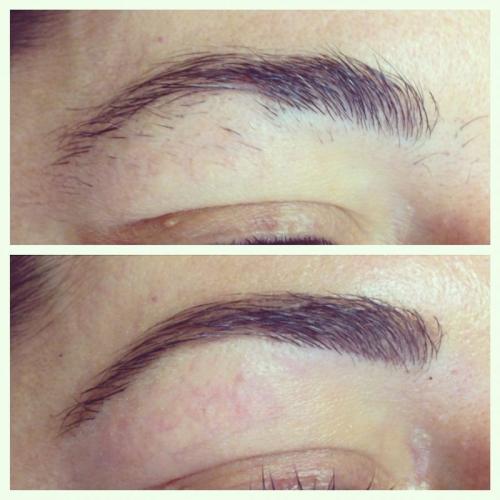
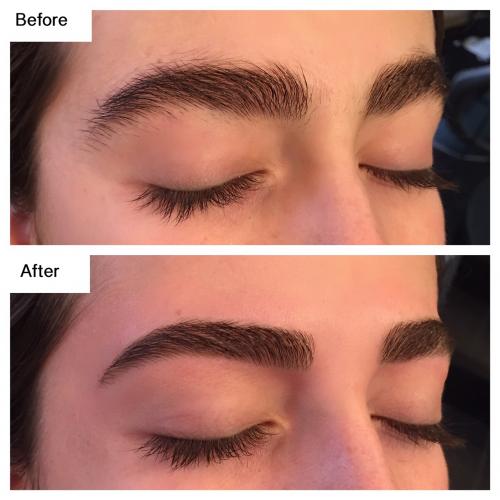
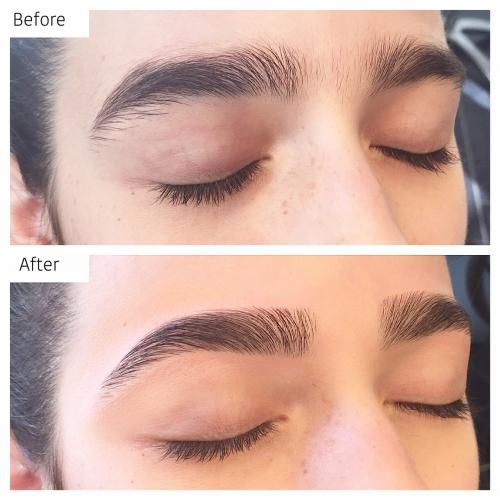
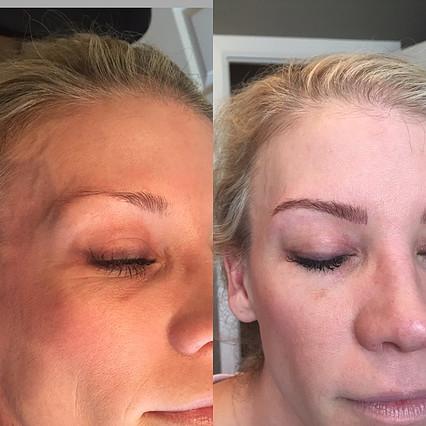
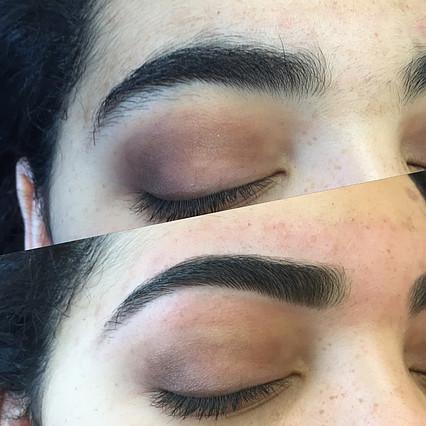
Before & After




Testimonials
Read out what our customers say about our services.
Read Testimonials



Join Our VIP List
Great News!
Comming soon our new location in Fort Worth (Alliance area)
3529 Heritage Trace Parkway, Suite 163
Fort Worth, TX 76244
Sign up now to join our VIP list and receive coupons