
To Buy Antabuse Online Visit Our Pharmacy ↓

How Disulfiram Works: Science Versus Popular Belief
Anecdotes often paint disulfiram as a chemical "shock" that forces sobriety, but the real action is enzymatic. By inhibiting aldehyde dehydrogenase, it causes acetaldehyde buildup when alcohol is consumed, producing unpleasant physiological responses that serve as a deterrent. That predictable biochemical blockade explains why the drug's effect depends on alcohol exposure rather than willpower alone.
Many expect immediate aversion or believe disulfiram removes cravings; in reality it produces conditioned avoidance and relies on patient commitment and supervised use. It does not cure dependence or reduce cravings pharmacologically like naltrexone; instead it creates a negative consequence linked to drinking, so supportive therapy and monitoring remain essential components for success.
Understanding the mechanism helps set realistic expectations.
| Mechanism | Result |
|---|---|
| Blocks aldehyde dehydrogenase | Acetaldehyde buildup causes flushing |
| Function | Aversive deterrent to drinking |
| Clinical use | Needs therapy and monitoring |
| Limitation | Not a craving suppressant |
Common Myths about Antabuse Side Effects
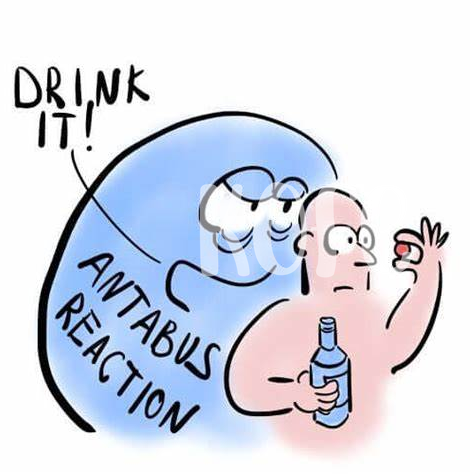
I once met a patient convinced antabuse ruins your liver and causes daily nausea forever. In reality, most people tolerate the medication with mild, transient effects—headache, drowsiness, or metallic taste—while significant liver injury is rare and monitored by periodic blood tests. The scariest reactions aren’t from the tablet alone but from mixing alcohol and the drug, which triggers unpleasant but typically nonfatal physiological responses designed to deter drinking.
Another myth is that antabuse is a standalone miracle; effective treatment usually pairs medication with counseling, social support, and medical oversight. Some fear immediate death from a slip, but while reactions can be intense—flushing, nausea, palpitations—they resolve with care. Clinicians screen for contraindications and adjust plans, offering alternatives like naltrexone or acamprosate when appropriate. Honest communication and follow-up transform myths into manageable realities and safer recovery pathways for long term sustained success.
Alcohol Interaction: Severity, Timing, and Real Risks
Imagine walking into a party confident you won’t drink, then taking one sip and suddenly feeling hot, dizzy and sick — the disulfiram effect. Antabuse blocks aldehyde dehydrogenase so acetaldehyde builds up, producing flushing, nausea, vomiting, headache, palpitations and low blood pressure. Reactions can be triggered by very small amounts of ethanol — even in sauces, mouthwash or topical products — and usually start within minutes to half an hour, peaking within hours.
Severity ranges from uncomfortable to dangerous; life-threatening events are uncommon but more likely with heart disease, heavy drinking, or interacting drugs. The blocking effect persists after stopping disulfiram — often up to two weeks — so abstinence and medical guidance are essential. If chest pain, fainting, uncontrolled vomiting or confusion occur, seek emergency care. With informed use and supervision, the antabuse reaction is a predictable deterrent rather than an unexplained hazard.
Who Should Consider Disulfiram: Eligibility and Alternatives
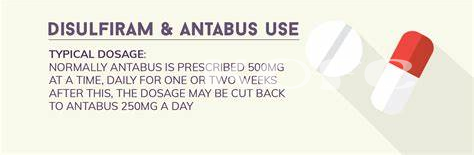
Some patients are good candidates for antabuse when they are highly motivated, have a stable support system, and have failed other medications. Clinicians screen for contraindications such as severe hepatic impairment, uncontrolled cardiac disease, or pregnancy; active drinking is not an absolute barrier if monitoring is possible. Disulfiram works best as part of a comprehensive plan that includes counseling and medical supervision to ensure safety and adherence.
Alternatives include naltrexone to reduce cravings and acamprosate to restore brain balance; each has different profiles and may suit people with liver concerns or those unwilling to risk an aversive reaction. Shared decision‑making with a clinician, routine liver tests and supervised dosing optimize outcomes and respect individual preferences.
Managing Side Effects: Practical Tips and Medical Guidance
A first-hand account helps: when I started antabuse, nausea and fatigue arrived like unwelcome guests, but learning triggers and timing made them manageable.
Simple measures — take with food, stay hydrated, and avoid alcohol residues in mouthwash or sauces — reduced discomfort within days.
Clinicians advised dose review and slower titration for sensitivity; they monitored liver enzymes and encouraged using a medication card for emergencies.
Practical support—peer groups, scheduled follow-ups and clear plans for reactions—turn scary scenarios into predictable, treatable events and keep recovery on track.
| Side effect | Tip |
|---|---|
| Nausea | Take with food; sip ginger tea; try small meals regularly |
| Fatigue | Check dose; screen for anemia; prioritize sleep; brief walks daily |
| Liver | Monitor enzymes; report jaundice promptly |
Myth-busting Case Studies and Patient Experience Insights
A clinician recounts a patient who feared severe reactions but tolerated disulfiram well when supervised; gradual dosing, clear counseling, and follow-up transformed anxiety into adherence. Objective monitoring and documented labs showed few adverse effects, contradicting dramatic anecdotes and highlighting predictable, manageable outcomes under medical guidance.
Another series of case reports revealed early nausea and metallic taste resolved within weeks with simple interventions, such as spacing doses and treating nausea. Patient-reported quality of life improved as cravings decreased, demonstrating that real-world experiences often favor practical management over sensationalized warnings and compassion
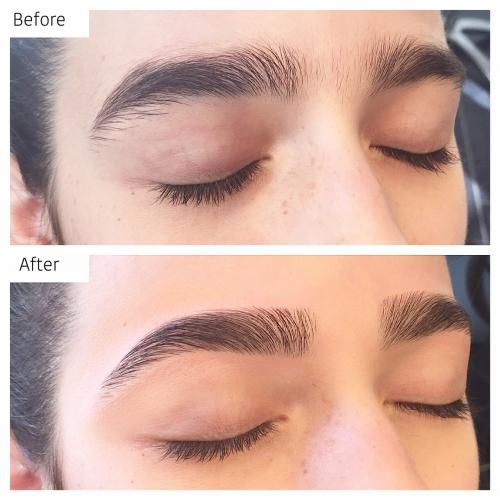
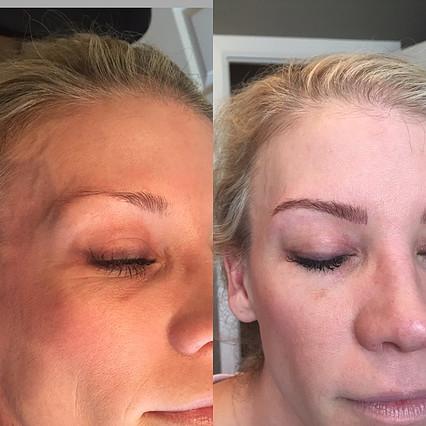
Before & After





Testimonials
Read out what our customers say about our services.
Read Testimonials


Join Our VIP List
Great News!
Comming soon our new location in Fort Worth (Alliance area)
3529 Heritage Trace Parkway, Suite 163
Fort Worth, TX 76244
Sign up now to join our VIP list and receive coupons